Understanding Migraines: Causes, Symptoms, and Treatments
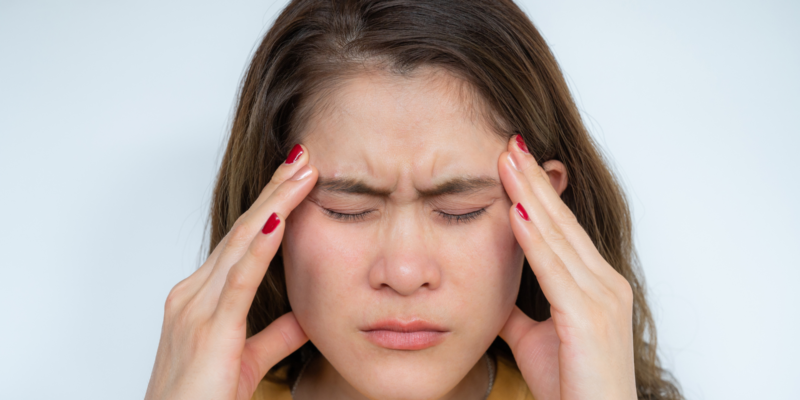
Migraines are more than just headaches. For many people, migraines can interfere with work, school, sleep, and daily activities. These neurological episodes often cause intense pain along with symptoms that affect vision, balance, and concentration.
Understanding what causes migraines, recognizing early warning signs, and exploring available treatment options can help patients manage symptoms more effectively and improve quality of life.
What Is a Migraine?
A migraine is a neurological condition that causes recurring episodes of moderate to severe head pain. Migraines are often accompanied by additional symptoms that go beyond a typical headache.
Common migraine symptoms include:
- Throbbing or pulsating head pain
- Sensitivity to light or sound
- Nausea or vomiting
- Dizziness or vertigo
- Visual disturbances known as aura
- Difficulty concentrating
Migraine attacks can last for hours or even days depending on the severity and triggers involved.
Patients experiencing frequent migraines may benefit from evaluation through our neurology services in New Jersey.
Common Causes and Migraine Triggers
Migraines can be triggered by a variety of factors, and triggers often differ from person to person.
Common migraine triggers include:
- Stress or anxiety
- Sleep deprivation
- Hormonal changes
- Bright lights or loud sounds
- Dehydration
- Certain foods or beverages
- Changes in weather or barometric pressure
In some cases, migraines may also be linked to underlying neurological conditions.
Keeping a migraine journal can help identify patterns and reduce exposure to common triggers.
Understanding Migraine Aura
Some individuals experience a migraine aura before the headache phase begins. Aura symptoms are temporary neurological disturbances that may affect vision, speech, or sensation.
Migraine aura symptoms may include:
- Flashing lights or blind spots
- Tingling sensations in the hands or face
- Difficulty speaking clearly
- Temporary visual loss
Because these symptoms can sometimes resemble seizures or other neurological conditions, proper evaluation is important.
Learn more about seizure related neurological symptoms through our epilepsy treatment services.
When Migraines May Signal a Neurological Issue
While occasional headaches are common, chronic or severe migraines may indicate an underlying neurological concern.
Warning signs that should not be ignored include:
- Sudden severe headaches
- Migraines that worsen over time
- Headaches accompanied by weakness or confusion
- Persistent dizziness or vertigo
- Changes in speech or vision
A neurologist in New Jersey can perform a comprehensive evaluation to determine whether symptoms are related to migraines or another neurological condition.
How Migraines Are Diagnosed
Diagnosing migraines typically involves reviewing medical history, symptoms, and possible triggers.
A neurological evaluation may include:
- Physical and neurological examinations
- Imaging studies such as MRI or CT scans
- Discussion of symptom frequency and severity
- Evaluation for related neurological conditions
Accurate diagnosis is essential for developing an effective treatment plan.
Migraine Treatment Options
Migraine treatment focuses on reducing symptom severity, preventing future attacks, and improving overall quality of life.
Common treatment options include:
Preventative Medications
These medications help reduce migraine frequency and severity over time.
Pain Relief Medications
Some treatments are designed to stop migraine symptoms once they begin.
Lifestyle Changes
Healthy habits can significantly reduce migraine triggers.
Helpful strategies include:
- Maintaining a regular sleep schedule
- Staying hydrated
- Managing stress levels
- Limiting trigger foods and beverages
- Exercising regularly
Neurological Care and Monitoring
Patients with chronic or severe migraines may require ongoing neurological care to adjust treatment plans and monitor symptoms.
Patients dealing with dizziness or balance issues related to migraines may also benefit from our vertigo treatment services.
Migraines in Children and Teens
Migraines can also affect children and adolescents. Symptoms in younger patients may look different from adult migraines and can sometimes be mistaken for other conditions.
Signs of pediatric migraines may include:
- Frequent stomach pain or nausea
- Sensitivity to light
- Dizziness or fatigue
- Difficulty concentrating at school
Early diagnosis and treatment can help children manage symptoms more effectively and reduce disruptions to daily life.
When to See a Neurologist for Migraines
Patients should consider seeing a neurologist if:
- Migraines occur frequently
- Symptoms interfere with daily activities
- Over the counter medications no longer help
- Headaches are associated with neurological symptoms
- Vertigo or dizziness occurs alongside migraines
A neurologist can identify the root cause of symptoms and create a personalized treatment plan tailored to each patient’s needs.
Explore additional educational resources through our neurology blog.
Improving Quality of Life Through Migraine Management
Living with migraines can be frustrating and unpredictable, but effective treatment and symptom management are possible. Understanding triggers, seeking early neurological evaluation, and following a personalized care plan can help reduce migraine frequency and severity.
With the support of experienced neurological specialists, patients can gain better control over migraines and improve their overall quality of life.
Frequently Asked Questions
What causes migraines?
Migraines can be triggered by stress, hormonal changes, lack of sleep, dehydration, certain foods, and neurological factors.
Can migraines cause vertigo?
Yes, some migraines can cause dizziness or vertigo, particularly vestibular migraines that affect balance and spatial awareness.
When should I worry about migraines?
You should seek medical evaluation if migraines become more frequent, worsen over time, or occur with neurological symptoms such as weakness, confusion, or vision changes.
Are migraines hereditary?
Migraines often run in families, suggesting a genetic component in many patients.
How can I prevent migraines naturally?
Lifestyle changes such as stress management, regular sleep, hydration, exercise, and avoiding known triggers may help reduce migraine frequency.