A first appointment with a neurologist can feel different from a routine doctor's visit. You…
How Early Diagnosis of Pediatric Epilepsy Can Improve Outcomes
Receiving a diagnosis of epilepsy in a child is overwhelming for many families. However, one of the most important factors in managing pediatric epilepsy successfully is how early that diagnosis is made. Timely recognition and intervention not only help reduce the frequency and severity of seizures but also improve long-term neurological development, academic performance, and quality of life.
In New Jersey, pediatric neurologists are using advanced tools and individualized care plans to help children and families navigate this condition with more clarity and confidence than ever before.
Understanding Pediatric Epilepsy
Epilepsy is a neurological disorder marked by abnormal electrical activity in the brain that causes recurring seizures. In children, epilepsy can present in many different forms. Some may have brief staring spells while others experience full-body convulsions. Because seizures can look very different from one child to another, many cases go undiagnosed for months or even years.
Early diagnosis allows for a better understanding of the seizure type, potential causes, and the most effective treatment options.
Why Early Diagnosis Matters
Diagnosing epilepsy early helps reduce both physical and cognitive complications. Repeated, uncontrolled seizures can affect brain development, memory, concentration, and mood regulation. Children may also experience learning delays or social difficulties if their epilepsy remains unmanaged.
With early intervention, doctors can:
- Identify seizure types and triggers
- Prevent further neurological damage
- Reduce emergency hospital visits
- Stabilize school attendance and learning capacity
- Minimize the emotional toll on families
Timely diagnosis gives pediatric neurologists the opportunity to implement care strategies that can prevent complications before they start.
What Early Signs Should Parents Watch For?
Many parents may not immediately recognize signs of epilepsy, especially if seizures are brief or subtle. Symptoms to look for include:
- Episodes of blank staring or confusion
- Sudden falls or muscle stiffness
- Unexplained periods of unresponsiveness
- Rhythmic jerking movements
- Unusual sensations, smells, or visual changes reported by the child
These signs may not always point to epilepsy, but they do indicate the need for evaluation by a pediatric neurologist.
How Pediatric Neurologists in NJ Diagnose Epilepsy
In New Jersey, pediatric epilepsy specialists use advanced diagnostic tools to confirm or rule out epilepsy in children. These may include:
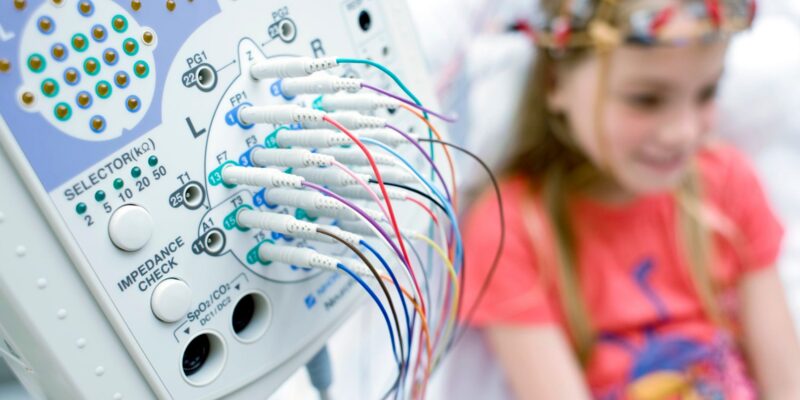
- Electroencephalogram (EEG) to measure electrical brain activity
- MRI or CT scans to detect structural abnormalities
- Detailed family and medical history reviews
- Observation and video monitoring for subtle seizure activity
Once a diagnosis is made, the neurologist works closely with the family to design a treatment plan tailored to the child’s specific type of epilepsy, age, lifestyle, and developmental needs.
Treatment Options After Early Diagnosis
The primary goal of treatment is to manage seizures effectively while minimizing side effects and supporting the child’s overall development. Treatment options may include:
- Anti-seizure medications tailored to the child’s seizure type and tolerance
- Dietary therapy such as the ketogenic diet for medication-resistant epilepsy
- Behavioral and educational support to manage cognitive challenges
- Surgical evaluation in rare or severe cases
Early diagnosis also makes it easier to track the child’s response to treatment over time, allowing for adjustments that keep seizures under control.
Family Support and Education
Managing pediatric epilepsy is not just about medical care. It also requires guidance and emotional support for families. Neurologists often work with counselors, educators, and social workers to help families:
- Understand seizure safety
- Develop school-based support plans
- Access local or online epilepsy support groups
- Reduce stigma and anxiety related to the diagnosis
When families are educated and supported early, they’re better equipped to help their children thrive.
The earlier epilepsy is identified and treated, the greater the opportunity to limit its impact on a child’s future. Children diagnosed early have a better chance at living seizure-free, attending school consistently, participating in sports and activities, and developing socially alongside their peers. A timely diagnosis also allows medical teams in New Jersey to closely monitor development and ensure each child receives the specialized care they need.
Frequently Asked Questions
What is the average age for epilepsy to be diagnosed in children?
Epilepsy can be diagnosed at any age, but many cases appear between infancy and age 10. Some syndromes are more common in adolescence, making ongoing observation important.
Can pediatric epilepsy go away on its own?
Some forms of childhood epilepsy are outgrown, while others require lifelong management. Your child’s neurologist can offer insight based on the specific diagnosis and seizure type.
How do I prepare for my child’s neurology appointment?
Keep a log of symptoms, video recordings of any unusual episodes, and a list of medications or family history. These help the neurologist evaluate patterns and make an accurate diagnosis.
Will my child be able to attend school normally with epilepsy?
Most children with well-managed epilepsy can attend school and participate in activities with minimal restrictions. Support from school staff and a seizure action plan can ensure safety.
What if my child’s seizures are not controlled by medication?
Some children may need alternative treatments like dietary therapy, medical devices, or surgical consultation. Your care team will discuss all options based on your child’s response.
Related Posts