A child suddenly stops talking in the middle of a sentence and stares ahead. A…
Why Pediatric Epilepsy Care Needs a Specialized Treatment Approach
Epilepsy affects people of all ages, but when it occurs in children, it requires a uniquely tailored approach. Pediatric epilepsy is not simply a younger rendition of adult epilepsy. Children’s brains are still developing, their symptoms may present differently, and the impact of seizures can extend beyond health into learning, behavior, and emotional development. Because of these differences, specialized pediatric epilepsy care is essential to ensure children receive the most effective diagnosis, treatment, and long term support.
Families seeking answers often benefit from working with a pediatric neurologist in New Jersey who understands the complexities of childhood neurological conditions and how they evolve as a child grows.
Understanding Pediatric Epilepsy
Epilepsy is a neurological condition characterized by recurring seizures caused by abnormal electrical activity in the brain. In children, seizures may appear in several ways. Some children experience dramatic convulsions, while others may have subtle symptoms such as brief staring spells, sudden confusion, or unexplained muscle jerks.
Because symptoms can vary widely, diagnosis can sometimes be delayed. This is one reason why specialized pediatric neurology in New Jersey plays such an important role in identifying seizure disorders early and beginning treatment quickly.
With many if not all health conditions, proactivity is best. Early intervention can reduce seizure frequency, prevent complications, and support a child’s cognitive and emotional development.
Why Children Require Specialized Epilepsy Care
Children’s brains are continuously developing. Seizures during this critical stage can influence memory, attention, language development, and behavior. Negative effects from these episodes can effect the brain for the rest of their life. Treatment plans must consider these developmental factors alongside the usual seizure control.
A specialized pediatric neurologist in New Jersey focuses on several important elements that differ from adult epilepsy care.
Developmental considerations
Treatment decisions must consider how medications or therapies may affect growth, learning, and social development.
Accurate diagnosis of seizure types
Children may experience unique epilepsy syndromes that are rarely seen in adults. Identifying the correct seizure type helps guide treatment.
Age specific medication dosing
Medication strategies for children require careful adjustment to avoid side effects while maintaining seizure control.
Family and school support
Managing epilepsy often requires coordination with teachers, school nurses, and caregivers to ensure safety and consistent support.
These factors make it clear why a general neurological evaluation may not always be enough. Working with a neurologist in New Jersey who specializes in pediatric care ensures a more comprehensive approach; and a comprehensive approach is the most effective method of minimizing damage to the brain.
Diagnostic Tools Used in Pediatric Epilepsy
Accurate diagnosis is always going to be the first step in building an effective treatment plan. Pediatric neurologists use several diagnostic tools to understand seizure patterns and underlying causes.
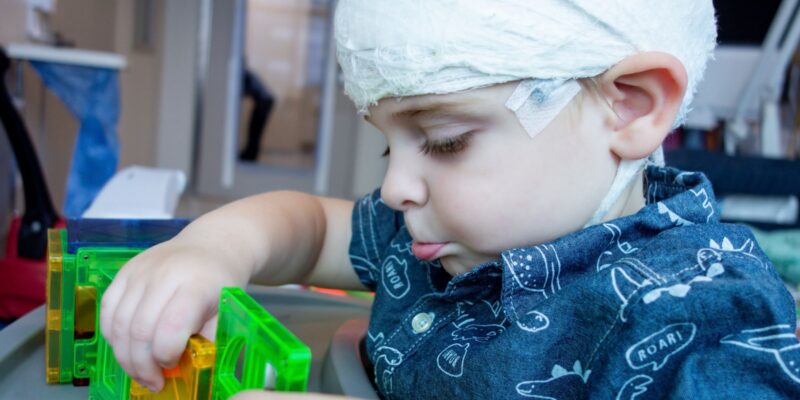
Electroencephalogram testing, commonly known as EEG, measures electrical activity in the brain and helps identify abnormal patterns linked to seizures.
Imaging studies such as MRI scans may be used to identify structural abnormalities in the brain.
Detailed medical history and observation are also critical. Parents often play a key role by describing episodes, triggers, and behavioral changes.
Some neurology centers in New Jersey offer advanced diagnostic services designed specifically for pediatric patients. These services allow physicians to detect seizure activity more accurately and determine the most appropriate course of treatment.
Treatment Options for Pediatric Epilepsy
Treatment for pediatric epilepsy is highly individualized. A pediatric neurologist will evaluate several factors including seizure type, frequency, medical history, and the child’s age.
Common treatment strategies include medication management, dietary therapies, and in some cases advanced neurological interventions.
Anti seizure medications remain the most common treatment option. These medications work by stabilizing electrical activity in the brain. Pediatric neurologists carefully select medications based on the child’s seizure type and monitor for side effects.
Dietary therapies such as the ketogenic diet may also help reduce seizures in certain children, particularly those who do not respond well to medication.
In more complex cases, advanced treatments such as neurostimulation devices or surgical options may be considered. These approaches are typically used when seizures are difficult to control through traditional therapies.
Families often work closely with a neurologist in New Jersey to adjust treatments over time as a child grows and their condition evolves.
The Impact of Epilepsy on Learning and Development
Seizures can influence more than physical health. Some children with epilepsy may experience difficulties with attention, memory, or learning.
Because of this, pediatric neurologists often collaborate with educators and therapists to support a child’s development. Early treatment can help reduce the risk of academic and behavioral challenges.
In certain cases, neurological evaluations may also explore related concerns such as cognitive changes or memory difficulties. This is why some neurology practices also provide specialized services like Treatment for Memory loss in New Jersey, helping patients address neurological symptoms that affect cognitive function.
Addressing these challenges early can make a significant difference in a child’s academic success and social well being.
Why Early Intervention Matters
The sooner epilepsy is diagnosed and treated, the better the long term outcomes tend to be. Early treatment can help control seizures, reduce the risk of injury, and support healthy brain development.
Parents who notice unusual symptoms such as staring spells, unexplained confusion, sudden muscle jerks, or fainting episodes should consider seeking evaluation from a pediatric neurologist.
Early intervention not only helps manage seizures but also provides families with education, support, and guidance for navigating everyday life with epilepsy.
Finding Specialized Pediatric Neurology Care
Choosing the right care team is one of the most important decisions a family can make after a child receives an epilepsy diagnosis. A dedicated pediatric neurology practice offers the expertise needed to manage complex neurological conditions while providing compassionate support for families.
If you are looking for specialized pediatric neurology in New Jersey, working with experienced neurologists who understand childhood epilepsy can help ensure the best possible care.
Learn more about our Pediatric neurological services.
Gain stronger insights about Seizure disorders and Neurological care.
Supporting Children and Families Living With Epilepsy
Pediatric epilepsy care goes beyond treating seizures. It involves supporting children as they grow, learn, and develop confidence in their daily lives.
A specialized treatment approach that includes accurate diagnosis, personalized therapies, and family centered care can help children with epilepsy lead healthy, active lives. With the right medical support and early intervention, many children successfully manage their condition and thrive both in school and at home.
Contact Us for more information or to plan care for anyone afflicted with Epilepsy or in need of other Neurological Care.
Related Posts