A child suddenly stops talking in the middle of a sentence and stares ahead. A…
How to Prepare for Your First Neurology Appointment: What to Bring and Expect
A first appointment with a neurologist can feel different from a routine doctor’s visit. You may have months of symptoms to explain, previous test results to review, several medications to discuss, or questions you’ve been waiting to ask. Arriving prepared helps your neurologist understand that history more clearly and can make your appointment more productive.
Neurology Center for Epilepsy & Seizures (NCES) provides neurological care for children and adults throughout New Jersey. Our specialists evaluate epilepsy, seizures, headaches, migraines, vertigo, memory concerns, pediatric neurological conditions, and other disorders involving the brain and nervous system.
If you already have an appointment scheduled, use this guide as a checklist. If neurological symptoms are prompting you to consider an evaluation, you can also review our guide on when to see a neurologist for additional guidance.
What Happens at Your First Neurology Appointment?
Your first neurology appointment usually begins with a detailed discussion of your symptoms and medical history, followed by a neurological examination. Your neurologist may then recommend diagnostic testing or discuss possible treatment options based on the findings.
This first visit is an opportunity to establish a clear picture of what has been happening.
Be prepared to discuss:
- When your symptoms started
- How often they occur
- How long individual episodes last
- Changes you’ve noticed over time
- Current and previous medications
- Previous diagnoses or treatments
- Relevant family medical history
- How symptoms affect work, school, sleep, or everyday activities
Small details can sometimes provide useful context, so don’t assume a symptom is unimportant simply because it seems difficult to explain.
What Should You Bring to a Neurologist Appointment?
Preparing a few items in advance can save time and help your neurologist review your medical history more efficiently.
Consider bringing:
- A current medication list with dosages
- Relevant medical records
- Previous neurological test results
- Copies or access to prior imaging studies
- Your insurance information
- Referral information if required by your plan
- A written timeline of your symptoms
- A list of questions you want answered
NCES also provides patient forms that new patients can review before their appointment.
For patients experiencing episodes such as unusual movements, staring spells, or suspected seizures, a safe video recorded by a family member may sometimes provide useful information for the clinician. Do not delay emergency care or compromise anyone’s safety in an attempt to record an event.
Create a Symptom Timeline Before Your Visit
Neurological symptoms are not always present during an office appointment. That makes your description of what happens outside the office especially valuable.
A simple symptom log can help.
Record information such as:
- Date and time of the episode
- What you were doing beforehand
- How the symptoms began
- How long they lasted
- Other symptoms that occurred at the same time
- Possible triggers
- Medication taken before or after the event
- How you felt afterward
For headaches, you might record pain location, severity, nausea, visual changes, sensitivity to light or sound, and possible migraine triggers.
For suspected seizures, document changes in awareness, unusual movements, staring, confusion, and recovery afterward.
Patterns that are difficult to recognize from memory may become clearer once several events are recorded.
Know Your Medications and Previous Treatments
Bring an accurate list of prescription medications, over-the-counter medications, vitamins, and supplements you currently use.
Include the dosage and how frequently you take each one.
Your neurologist may also need to know about treatments you’ve already tried. If a medication didn’t work or caused side effects, that information can influence future recommendations.
Do not stop or alter a prescribed medication simply to prepare for your appointment unless the prescribing clinician has specifically instructed you to do so.
What Questions Might a Neurologist Ask?
Your neurologist’s questions will depend on the reason for your visit. Some may seem highly specific because the details surrounding neurological symptoms can help distinguish between different conditions.
Questions may include:
- When did this first happen?
- How frequently does it occur?
- How long does an episode last?
- Do you remain aware during it?
- What happens immediately beforehand?
- What do you remember afterward?
- Does anything appear to trigger the symptoms?
- Has anyone witnessed an episode?
- Do neurological conditions run in your family?
Give the most accurate answer you can. It’s perfectly acceptable to say you don’t know or don’t remember.
Questions You May Want to Ask Your Neurologist
Patients sometimes remember their biggest questions only after leaving the office. Writing them down beforehand helps prevent that.
Useful questions might include:
- What could be causing my symptoms?
- Are there other conditions that should be ruled out?
- Do I need neurological testing?
- What should I do if another episode occurs?
- What symptoms require urgent medical attention?
- What treatment options are available?
- When should I return for follow-up?
- Are there activities I should temporarily avoid?
Your questions will naturally depend on your symptoms and diagnosis. A written list can help keep the conversation focused on what matters most to you.
What Happens During a Neurological Examination?
A neurological examination evaluates different parts of the nervous system. The exact examination varies based on your symptoms.
Your neurologist may assess:
- Reflexes
- Muscle strength
- Sensation
- Balance
- Coordination
- Eye movements
- Walking
- Speech
- Memory or cognitive function
These observations can help determine which part of the nervous system may be involved and whether additional evaluation is appropriate.
You can explore the broader conditions NCES evaluates through our neurology services.
Will You Need an EEG, MRI, or Other Testing?
Not every neurology patient requires diagnostic testing.
Testing is selected according to the patient’s symptoms, examination, medical history, and suspected condition.
For patients experiencing seizures or episodes of altered awareness, an EEG may be considered. An EEG records electrical activity in the brain and can provide information used as part of an epilepsy or seizure evaluation.
Patients concerned about seizures can learn more about our seizure diagnosis and treatment services and epilepsy care.
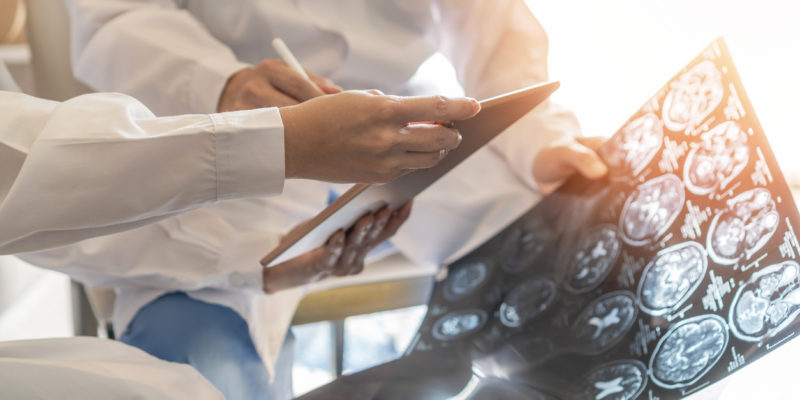
Brain imaging or other testing may also be appropriate in certain cases. Your neurologist should explain why a particular test is being recommended and how the results may influence your care.
Preparing Your Child for a Pediatric Neurology Visit
A pediatric neurology appointment requires some additional preparation.
Parents and caregivers should consider bringing information from people who regularly observe the child, including teachers, therapists, coaches, or other caregivers when relevant.
It may also be helpful to organize:
- Developmental history
- Birth and pregnancy history when requested
- School concerns
- Previous evaluations
- Therapy records
- Medication history
- Videos or descriptions of unusual episodes
- Relevant family neurological history
Children may not always have the vocabulary to describe dizziness, sensory changes, headaches, or unusual feelings before a seizure. Observations from parents and caregivers can therefore become an important part of the clinical history.
Learn more about the conditions our team evaluates through our pediatric neurology services.
Preparing for an Appointment About Seizures or Epilepsy
Patients seeing a neurologist because of possible seizures should provide as much detail as possible about the event itself.
If another person witnessed the episode, ask them what they observed.
Useful information can include:
- What happened first
- Changes in awareness
- Eye or head movements
- Muscle stiffening or jerking
- Approximate duration
- Changes in breathing or skin appearance
- Confusion or fatigue afterward
A witness who can attend the appointment may also help describe details the patient could not observe.
NCES specializes in epilepsy and seizure disorders. Patients can learn more about Dr. Amor Mehta, a neurologist and epileptologist with specialized training in epilepsy and clinical neurophysiology-EEG.
A Better Appointment Starts with Better Information
You don’t need to arrive at your first neurology appointment knowing what’s wrong. Finding that answer is part of the evaluation.
Your role is to provide the clearest history possible. Bring your records, organize your medications, document your symptoms, and write down the questions you want answered.
Those simple preparations can help your neurologist spend more of the appointment investigating your concerns and discussing the appropriate next steps.
If you’re experiencing neurological symptoms and are ready for an evaluation, request an appointment with NCES.
Contact NCES to speak with our team about scheduling, referrals, or preparing for your visit.
Frequently Asked Questions
How long does a first neurology appointment take?
Appointment length varies based on the reason for the visit and the complexity of your medical history. A first evaluation generally requires time to review symptoms, medical history, medications, and neurological findings.
Should I bring someone to my neurology appointment?
You may find it helpful, particularly if another person has witnessed symptoms you cannot fully remember or describe. This can be especially useful when evaluating seizures, episodes involving loss of awareness, or memory concerns.
What should I wear to a neurological examination?
Wear comfortable clothing that allows you to move easily. A neurological examination may include assessments of walking, balance, coordination, reflexes, and strength.
Do I need a referral to see a neurologist in New Jersey?
Referral requirements vary by insurance plan. Check with your insurer or contact the practice before your appointment to determine whether your coverage requires one.
Can a neurologist diagnose me during the first appointment?
Some conditions can be identified based on history and examination, while others require additional testing or follow-up. Your neurologist will explain the next steps based on your individual findings.
Related Posts