A first appointment with a neurologist can feel different from a routine doctor's visit. You…
Navigating a New Epilepsy Diagnosis: A Guide for NJ Parents
Learning that your child has epilepsy can be an overwhelming and emotional experience. Whether the diagnosis followed a single unexpected seizure or a pattern you’ve been monitoring for months, many NJ parents find themselves unsure of what comes next. Understanding the condition, knowing where to seek help, and learning how to support your child day-to-day are essential steps in navigating this new chapter. This guide is designed to give parents clarity, confidence, and direction after an epilepsy diagnosis in NJ.
Understanding Childhood Epilepsy
Epilepsy is a neurological condition characterized by recurring, unprovoked seizures. These seizures occur when abnormal electrical activity disrupts normal communication between brain cells. For parents, the word “epilepsy” can sound frightening, but it’s important to remember that many children with epilepsy lead full, active, and healthy lives with the right care.
A pediatric neurologist in New Jersey will help determine the type of epilepsy, potential triggers, and the best treatment approach. Epilepsy can vary widely from child to child, some experience brief staring spells, while others have full-body convulsions. Understanding your child’s specific type of seizure is crucial to developing an effective safety and treatment plan.
What Happens After the Diagnosis?
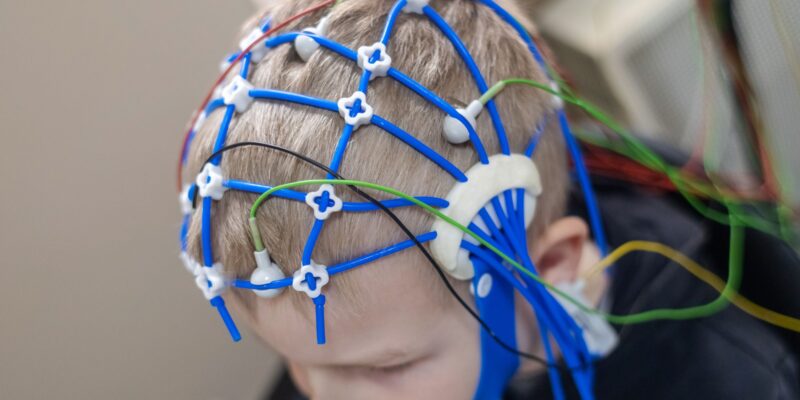
After receiving a diagnosis, parents typically meet with a neurologist in New Jersey who specializes in pediatric epilepsy. During this initial phase, the care team may perform additional tests such as:
- EEG (electroencephalogram) monitoring
- MRI or CT scans
- Blood work to rule out metabolic or genetic causes
These tools help the neurologist build a complete picture of your child’s condition and tailor a long-term plan for managing pediatric epilepsy.
Treatment Options for Childhood Epilepsy
The good news is that there are many epilepsy treatment options available today, and most children respond well to therapy. Treatment plans are personalized but often include one or more of the following:
1. Medication
Anti-seizure medications (ASMs) are the most common and effective treatment for controlling childhood seizures. Your care team will determine the best medication based on seizure type, age, and medical history.
2. Dietary Therapy
In some cases, especially when seizures are difficult to control, the ketogenic diet or modified Atkins diet may be recommended to help reduce seizure activity.
3. Medical Devices
Vagus nerve stimulation (VNS) therapy can help some children who do not respond fully to medication.
4. Surgery
In rare cases, epilepsy surgery may be considered if seizures originate from one well-defined area of the brain.
Your child’s epilepsy care team will explain each option and help you make informed decisions based on benefits, risks, and expected outcomes. Many parents find peace of mind knowing that epilepsy care in New Jersey includes access to advanced diagnostics, experienced neurologists, and state-of-the-art treatment approaches.
Learning Your Child’s Triggers
Not all seizures have triggers, but many children experience patterns that parents can learn to identify. Common seizure triggers include:
- Lack of sleep
- Illness or fever
- Stress or anxiety
- Flashing lights (less common than many assume)
- Hormonal changes
- Missed medication doses
Tracking your child’s seizures, when they occur, what was happening beforehand, and any noticeable patterns, helps tremendously with long-term management.
School, Activities & Daily Life
One of the biggest concerns NJ parents express is how epilepsy will affect day-to-day life. Fortunately, most children with epilepsy continue participating in school, sports, and social activities with appropriate support.
School Support
Your child may qualify for:
- A 504 plan
- An Individualized Education Program (IEP)
- Emergency action plans for seizure response
Schools are required to help your child succeed academically and safely.
Sports & Activities
Physical activity is healthy and encouraged for most children with epilepsy. Your neurologist can help determine which activities are appropriate and what precautions, if any, are necessary.
Safety Tips for Parents
Here are practical steps to help keep your child safe while maintaining normalcy:
- Ensure your child takes medication consistently.
- Teach caregivers, teachers, and family members how to respond to a seizure.
- Avoid unsupervised bathing and swimming.
- Use helmets for biking or activities with fall risks.
- Keep a rescue medication plan on hand.
Being prepared empowers both parents and children to live more confidently.
Emotional Support for Parents & Children
A new epilepsy diagnosis affects the whole family. Children may feel confused, frightened, or embarrassed, while parents often experience worry or uncertainty. Seeking emotional support, through counselors, social workers, support groups, or your neurology team, can help normalize the journey.
Support groups for epilepsy support for parents in New Jersey can also provide comfort, community, and practical advice.
Choosing the Right Pediatric Neurology Team in New Jersey
When it comes to neurological care, finding the right team can make all the difference. Families benefit greatly from partnering with experienced specialists who understand both the medical and emotional aspects of childhood epilepsy.
A top-quality pediatric epilepsy team in New Jersey will offer:
- Experienced pediatric neurologists
- Advanced diagnostic tools like EEG monitoring
- Personalized treatment plans
- Education and support for families
- Collaborative care with schools and pediatricians
Working with a trusted provider ensures your child receives comprehensive, compassionate, and coordinated care.
Conclusion & Call to Action
A new epilepsy diagnosis can feel intimidating, but with knowledge, support, and the right specialists, your child can thrive. Understanding treatment options, safety strategies, and your role as an advocate will help you feel more confident navigating this journey.
If your child has recently been diagnosed with epilepsy, or you suspect seizure activity, schedule an evaluation with a trusted pediatric neurology specialist. Expert guidance is the first step to empowering your child and protecting their long-term well-being.
Related Posts