Epilepsy affects people of all ages, but when it occurs in children, it requires a…
Understanding Your Child’s EEG: What to Expect from Pediatric Seizure Testing
When a child experiences symptoms such as staring spells, sudden jerking movements, or unexplained episodes of confusion, doctors may recommend an electroencephalogram, or EEG. For many parents, hearing that their child needs neurological testing can feel stressful. Understanding what an EEG is and how the test works can help families feel more prepared and confident.
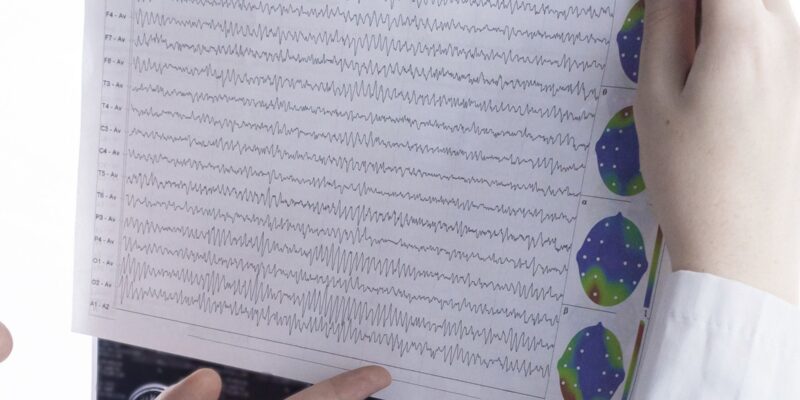
An EEG is one of the most important tools used by pediatric neurologists to diagnose epilepsy and other neurological conditions. The test measures electrical activity in the brain and helps doctors determine whether seizures or abnormal brain signals are occurring.
Families who notice neurological symptoms often seek care from a pediatric neurologist in New Jersey who specializes in diagnosing and treating seizure disorders in children. Understanding EEG’s can give you more insights into what that pediatric neurologist may use to help.
What Is an EEG?
An EEG, or electroencephalogram, is a painless, noninvasive test that records electrical signals in the brain.
The brain communicates through electrical impulses between nerve cells. When seizures occur, these signals become abnormal or overly active. EEG testing allows neurologists to detect these changes or the overactivity if it is occurring.
During the test:
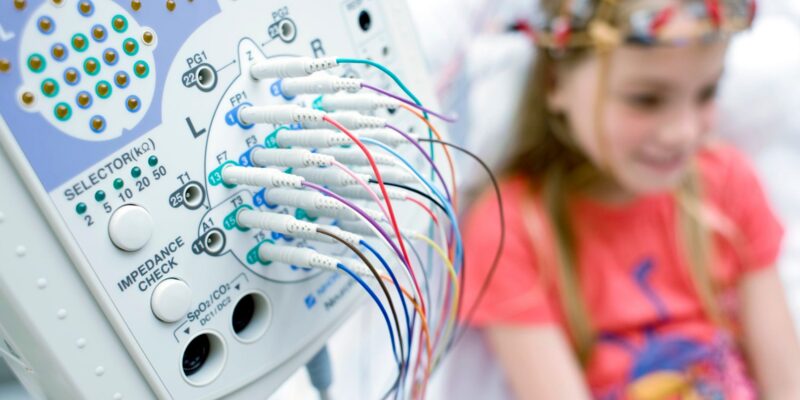
- Small sensors called electrodes are placed on the scalp
- The electrodes record electrical brain activity
- A computer displays the brain wave patterns for analysis
Doctors use this information to better understand seizure activity and determine whether epilepsy or another neurological condition is present.
Parents can learn more about diagnostic and treatment options through the Neurology Center NJ services page.
Why Children May Need an EEG
A pediatric neurologist may recommend an EEG if a child is experiencing symptoms that could be related to seizures or abnormal brain activity.
Common reasons children undergo EEG testing include:
- Episodes of blank staring or loss of awareness
- Sudden muscle jerking or twitching
- Unexplained confusion after an episode
- Frequent headaches or unusual neurological symptoms
- Sudden falls without a clear cause
Because seizures can sometimes appear subtle or resemble other conditions, EEG testing helps confirm whether abnormal brain activity is occurring.
A neurologist in New Jersey can use EEG results to determine the type of seizure and develop an appropriate treatment plan.
How to Prepare Your Child for an EEG
Preparing for an EEG is generally simple. Following a few basic instructions can help ensure accurate results.
Parents are usually asked to:
- Wash the child’s hair the night before the test
- Avoid conditioners, oils, or hair styling products
- Ensure the child eats before the appointment unless instructed otherwise
In some cases, children may be asked to sleep less the night before the EEG. Sleep deprivation can increase the likelihood of detecting seizure activity.
Parents can also help reduce anxiety by explaining that the test does not hurt and simply records brain activity.
What Happens During the EEG Test
The EEG test is painless and typically takes between 30 minutes or a few hours depending on the type of monitoring required.
During the procedure:
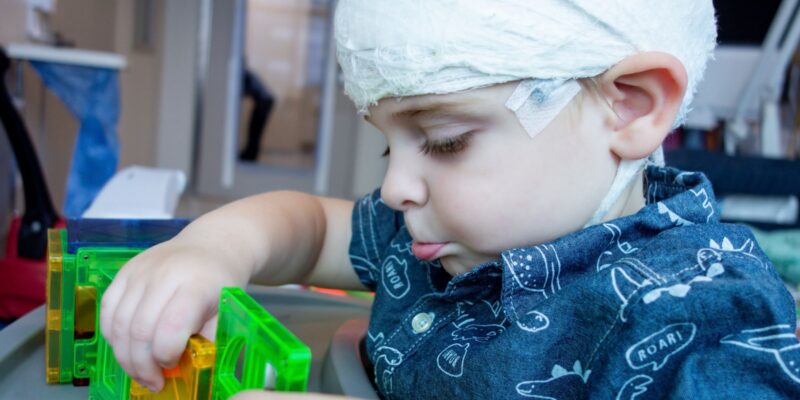
- A technician measures the patient’s head and attaches electrodes to the scalp
- The electrodes are secured with a gentle paste or adhesive
- The patient sits or lies comfortably while brain activity is recorded
During the test, the technician may ask the patient to perform simple tasks such as:
- Opening and closing their eyes
- Breathing deeply
- Looking at flashing lights
These actions allow neurologists to observe how the brain responds under different conditions.
For patients who need more detailed monitoring, extended EEG testing may be recommended.
Learn more about seizure diagnosis and Epilepsy Treatment Options on our site.
Types of EEG Testing for Children
Several different EEG tests may be used depending on the child’s symptoms and medical history.
Common types of EEG testing include:
Routine EEG
- Lasts approximately 30 to 60 minutes
- Records basic brain activity while the child is awake
Sleep EEG
- Conducted while the child sleeps
- Can reveal abnormalities that may not appear during wakefulness
Ambulatory EEG
- A portable EEG device records brain activity over an extended period
- Allows monitoring during normal daily activities
Video EEG Monitoring
- Combines EEG recording with video observation
- Helps doctors match physical symptoms with brain activity
Each type of EEG provides valuable information that helps pediatric neurologists make accurate diagnoses.
What EEG Results Can Reveal
After the test, a pediatric neurologist carefully reviews the brain wave recordings.
Results may show:
- Normal electrical brain patterns
- Abnormal activity that indicates seizure disorders
- Patterns consistent with specific epilepsy syndromes
In some cases, EEG results may appear normal even if seizures occur at other times. If symptoms persist, additional testing or monitoring may be recommended.
Neurologists use these results to guide treatment decisions and determine the best strategy for seizure management.
Parents can explore additional educational resources on pediatric neurology through the Neurology Center NJ Blog.
Helping Your Child Feel Comfortable During Testing
Although EEG testing is safe and painless, some children may feel nervous about the unfamiliar equipment.
Parents can help make the experience easier by:
- Explaining the procedure in simple terms
- Bringing a favorite toy or comfort item
- Staying calm and reassuring throughout the test
Most children tolerate the procedure very well once they understand what to expect.
Getting Answers Through Pediatric Seizure Testing
EEG testing is a critical step in diagnosing seizure disorders and other neurological conditions in children. By capturing detailed brain activity, neurologists gain valuable insight into how the brain functions during suspected seizure episodes.
When families understand what to expect from pediatric seizure testing, they can approach the process with greater confidence. With experienced pediatric neurologists and modern diagnostic tools available in New Jersey, children with neurological symptoms can receive accurate diagnoses and personalized care.
Early testing and evaluation allow doctors to begin treatment sooner, helping children manage seizures effectively and maintain healthy neurological development.
If you think EEG might be a solution for your child, Reach Out and speak to our professionals, or begin a learning journey on alternative treatment options.
Related Posts