An EEG can provide valuable information when a patient experiences seizures, staring spells, episodes of lost awareness, or other symptoms that may involve abnormal electrical activity in the brain. The test is painless and noninvasive, and it plays an important role in evaluating many patients for epilepsy and seizure disorders.
Neurology Center for Epilepsy & Seizures (NCES) provides EEG testing and comprehensive neurological evaluations for children and adults in New Jersey. As an outpatient neurology practice with a strong focus on epilepsy, NCES can integrate diagnostic testing with neurological evaluation and follow-up care.
Patients searching for EEG testing in New Jersey can receive care from a team experienced in evaluating seizure disorders and interpreting EEG findings within the context of each patient’s symptoms and medical history.
What Is an EEG Test?
An electroencephalogram, commonly called an EEG, is a test that records the brain’s electrical activity.
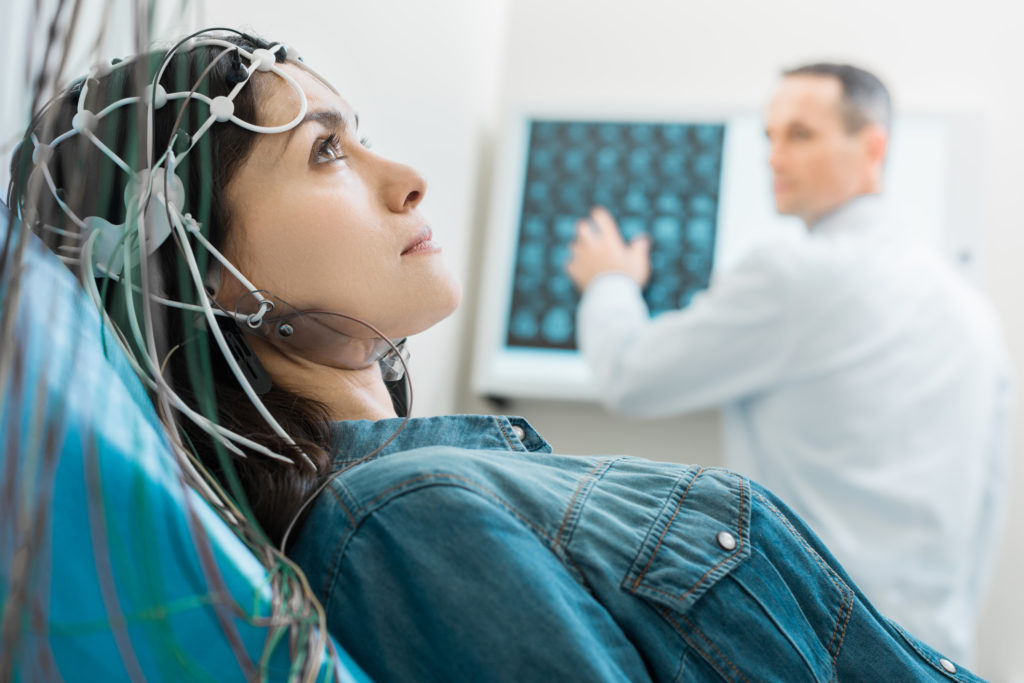
Small electrodes placed on the scalp detect electrical signals generated by brain cells. Those signals are recorded so a trained clinician can review the brain-wave patterns.
EEG testing is commonly used during the evaluation of epilepsy and suspected seizure disorders. It may also provide useful information when investigating certain unexplained neurological episodes.
Learn more about NCES epilepsy diagnosis and treatment.
What Happens During an EEG?
During an EEG, electrodes are attached to specific locations on the scalp. These electrodes detect electrical signals. They do not deliver electricity into the brain.
The patient typically relaxes while the equipment records brain-wave activity.
Depending on the type of EEG and the clinical question being investigated, the testing process may include different instructions or monitoring periods.
The test itself should not hurt. Some patients find the process unfamiliar, but understanding the steps beforehand can make the experience much easier.
Parents preparing a child for testing can read our guide to what to expect from pediatric EEG and seizure testing.
Why Would a Neurologist Order an EEG?
A neurologist may recommend EEG testing when a patient’s symptoms suggest abnormal electrical activity in the brain.
Reasons for an EEG evaluation may include:
- A first unexplained seizure
- Recurrent seizures
- Unexplained staring spells
- Episodes of altered awareness
- Unusual movements
- Periods of unexplained confusion
- An established epilepsy diagnosis requiring further evaluation
- Events that need to be distinguished from epileptic seizures
An EEG is only one part of the diagnostic process. Your medical history, description of the event, neurological examination, and other testing may also be important.
Patients experiencing possible seizure activity can learn more about our seizure services.
What Can an EEG Detect?
An EEG can identify certain abnormalities in the electrical activity of the brain, including patterns that may support a diagnosis of epilepsy.
The findings may also help an epilepsy specialist understand the type of seizure disorder involved.
An abnormal EEG does not always establish a diagnosis by itself. Likewise, a normal EEG does not automatically rule out epilepsy.
Electrical abnormalities may occur intermittently and may not appear during a short recording. For that reason, EEG results should be interpreted alongside the patient’s symptoms, clinical history, and neurological evaluation.
Types of EEG Testing Available at NCES
Different clinical situations call for different approaches to EEG monitoring. The type of study recommended depends on the symptoms being investigated and the information your neurologist needs.
Routine EEG
A routine EEG records brain activity during a defined testing period. It may be one of the first EEG studies recommended when evaluating a suspected seizure disorder.
Ambulatory EEG
An ambulatory EEG allows brain activity to be recorded over a longer period while the patient continues many normal daily activities.
Longer monitoring may provide additional information when neurological episodes are intermittent and difficult to capture during a shorter study.
Video EEG Monitoring
Video EEG combines an EEG recording with synchronized video. This allows the clinician to compare physical or behavioral changes during an event with the electrical activity recorded from the brain.
NCES’s epilepsy-focused approach allows diagnostic testing to be considered as part of a broader neurological care plan rather than as an isolated test.
How Should You Prepare for an EEG?
Follow the specific preparation instructions provided by your healthcare team, as requirements can vary depending on the study.
In general, patients may be instructed to:
- Arrive with clean, dry hair
- Avoid hair gels, oils, sprays, or other styling products
- Bring an updated medication list
- Follow any sleep instructions provided before the study
- Continue or adjust medications only as specifically directed by the treating clinician
- Ask questions in advance if preparation instructions are unclear
Do not stop anti-seizure medication or any other prescribed medication on your own before an EEG.
Can an EEG Diagnose Epilepsy?
An EEG can provide evidence that supports an epilepsy diagnosis, but epilepsy is not diagnosed from an EEG result alone.
Neurologists consider several pieces of information together, including:
- Description of the patient’s episodes
- Witness observations
- Medical history
- Neurological examination
- EEG findings
- Imaging or other testing when appropriate
This is one reason specialist interpretation matters.
An epileptologist has advanced training specifically focused on epilepsy and seizure disorders. You can learn more about the distinction in our guide to pediatric neurologists and pediatric epileptologists.
EEG Testing for Children
An EEG may be recommended when a child experiences symptoms such as unexplained staring episodes, seizures, unusual movements, or episodes of altered awareness.
Pediatric neurological evaluation requires special consideration because children’s brains are still developing and some neurological conditions present differently during childhood.
Parents can help prepare by explaining the test in simple terms and reassuring their child that the electrodes record brain activity rather than causing pain.
Our pediatric neurology team evaluates children with seizures, epilepsy, developmental concerns, migraines, and other neurological conditions.
What Happens After Your EEG?
The next step is interpreting the EEG within the context of your overall neurological evaluation.
Your provider will review the findings and explain what they mean for your care. Depending on the results and your symptoms, the next step might involve:
- Continued observation
- Additional EEG monitoring
- Medication management
- Additional diagnostic testing
- Changes to an existing epilepsy treatment plan
- Follow-up neurological care
An EEG is most useful when the results help answer a specific clinical question and guide the next decision.
Why Choose NCES for EEG Testing in New Jersey?
EEG testing is closely connected to NCES’s core expertise in epilepsy and seizure disorders.
Dr. Amor Mehta is dual board-certified in neurology and epilepsy and completed fellowship training in the clinical neurophysiology-EEG track at NYU School of Medicine. His background includes adult and pediatric epilepsy and seizure care.
Learn more about Dr. Amor Mehta’s neurological and epilepsy experience.
NCES provides patients with:
- Epilepsy-focused neurological expertise
- Routine EEG testing
- Ambulatory EEG testing
- Video EEG monitoring
- Pediatric and adult neurological care
- Evaluation and treatment within the same neurological practice
- Ongoing epilepsy and seizure management
For patients already diagnosed with epilepsy, testing can also become part of a longer-term treatment strategy focused on improving seizure control and quality of life.
Schedule EEG Testing in New Jersey
Unexplained seizures and episodes of altered awareness deserve a thorough neurological evaluation. EEG testing can provide important information, but the greatest value comes from combining test results with expert clinical interpretation and an individualized care plan.
Neurology Center for Epilepsy & Seizures provides outpatient EEG testing and specialized seizure and epilepsy care from our Marlboro Township, New Jersey practice.
Frequently Asked Questions
The duration depends on the type of EEG ordered. Routine EEG studies are shorter, while ambulatory and video EEG monitoring can record brain activity for longer periods. Your healthcare team will explain the expected testing time when your study is scheduled.
No. An EEG is noninvasive. Electrodes placed on the scalp record electrical activity from the brain and do not send electricity into it.
Yes. A normal EEG does not necessarily exclude epilepsy because abnormal electrical activity may not occur during the recording period. Your neurologist interprets EEG results alongside your symptoms and medical history.
A routine EEG records brain activity during a shorter testing period. An ambulatory EEG records for a longer period and can capture brain activity while a patient goes through many normal daily activities.
NCES provides EEG testing through its Marlboro Township, NJ practice as part of its neurological, epilepsy, and seizure care. Patients who need evaluation can contact the practice or submit an online appointment request.